Humanity Before AI
By Jason Ventresca
2026-02-19 AI, Software Development
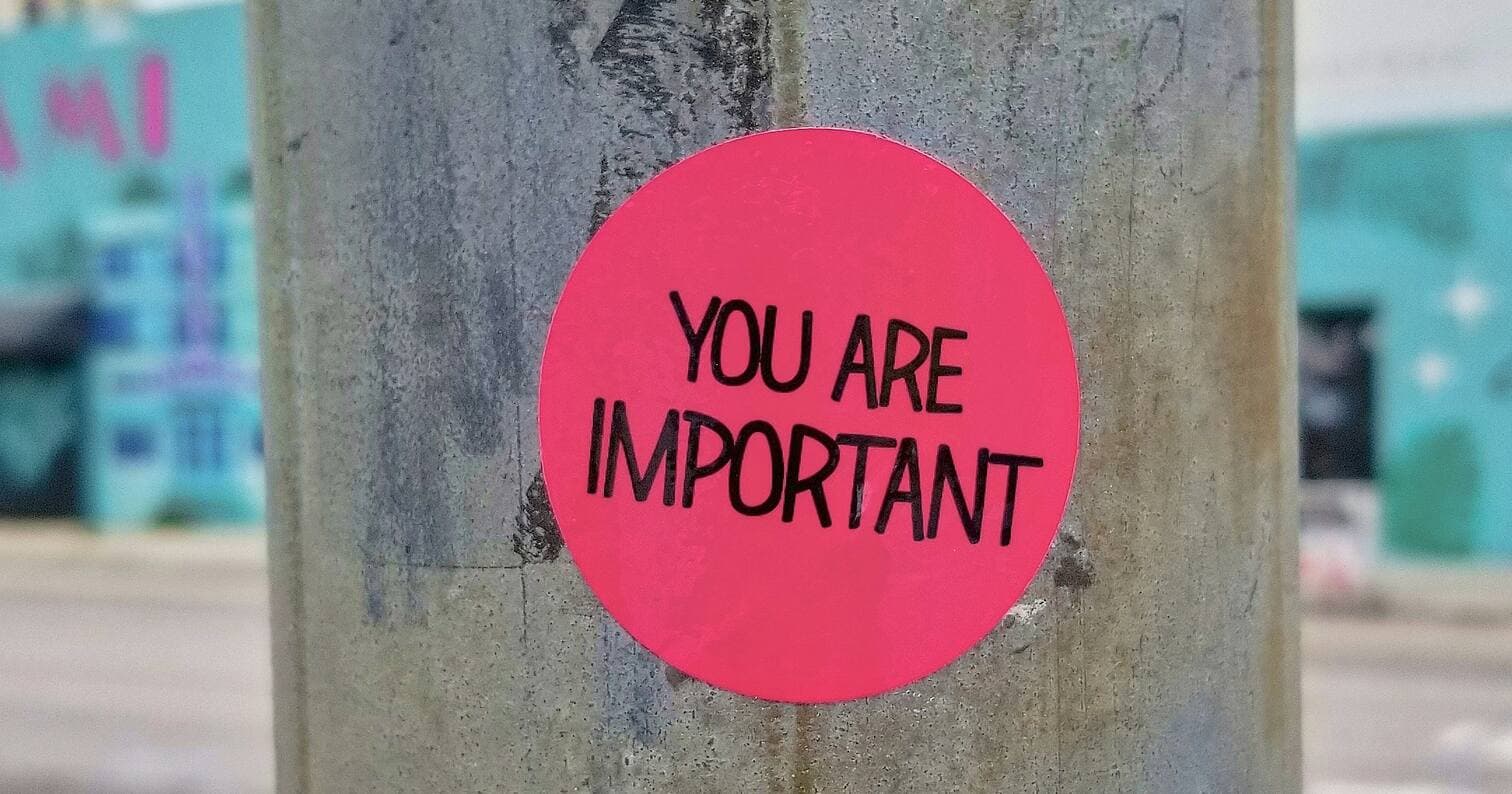
Are AI agents rotting our imperfect-but-precious human world? The feeling I get is a creeping, low-grade dread that hits me when I open something like Vibes or Moltbook. I feel disembodied and fearful. The world these tools are quietly shaping feels like a place where the frayed, imperfect, irreplaceable texture of human experience is slowly being sanded down to something smoother and cheaper.
I've been sitting with this feeling of dread lately - it doesn't announce itself loudly but hums quietly beneath the surface of professional life. I see it in the software engineers I know, watching in real time as AI agents churn out more code than any human team could meaningfully review. Skills that took years to develop are being replicated, automated, and commodified. The anxiety isn't just paranoia, and it's spreading beyond software development into law, medicine, design, writing - anywhere that knowledge used to be the currency of a career.
So, what to do with this fear?
Lately, I've been volunteering at my local library, helping people in need find employment. They come to me bewildered: overwhelmed by a flooded job market and the steel-cold machinery of online applications, riddled with AI screeners and opaque filtering criteria that seem designed to erase the human being behind the résumé.
One of them was Maria - not her real name, but her story is real. Maria had been living in a women's shelter after a string of bad luck that had landed her on the street. She sat down across from me carrying something heavier than job loss. There was a flicker of shame in her eyes when she told me where she was staying - the kind of shame that comes from feeling like the world has already written you off.
I didn't open my laptop right away.
I sat with her. I asked her questions. I listened - really listened - to how she described her struggles, her strengths, and what she was proud of. Slowly, the shame in her expression gave way to something else. She started to remember herself. With that energy in the room, I opened ChatGPT, described her skills, work experience and persona and pasted in the job description she was applying for. I asked Chat to craft a résumé that honored who she actually was, while speaking the language the screeners are looking for.
When we finished, she looked at the résumé on the screen for a long moment. Then she looked up at me, eyes glassy, and asked if she could give me a hug.
The AI didn't move her to tears. I don't think she was crying about the résumé at all. She was crying because someone had taken the time to see her - to reflect her value back to her before a single prompt was written. The AI just helped us put it on paper.
What I'm trying to practice - imperfectly, stumblingly - is a mindful integration of presence, humanity, and technology. In that order. Paying genuine respect to the irreplaceable person sitting in front of me, before reaching for the tool. Embodied empathy first. AI second.
I think this points toward something real about where we fit in the future. Only a human being can look someone in the eye and offer genuine listening, honest reassurance, and emotional resonance in an embodied way. The jobs ahead will absolutely require technical fluency with AI tools. But they will also require something no model can replicate: the intuitive judgment and human awareness to know when and how to apply those tools in ways that don't diminish the people they're meant to serve.
Maria didn't need AI to feel worthy of a job. She needed a person first. The tool only mattered because the humanity came before it.
Don't let AI strip away your humanity. But don't slip into irrelevance by refusing to engage with it, either.
Use it consciously. Use it humanely. Lead with yourself.